Sept. 14 Pettyjohn Lecture Describes Alaska Native History during World War II
Independent historian Holly Miowak Guise (Iñupiaq) will discuss the complicated history of Alaska Natives during World War II at noon Monday, September 14, in the Holland Library lobby as the 2026 Sherman and Mabel Smith Pettyjohn Memorial History Lecture speaker.
Guise’s lecture, free and open to the public, is sponsored by the WSU Department of History in partnership with WSU Libraries.
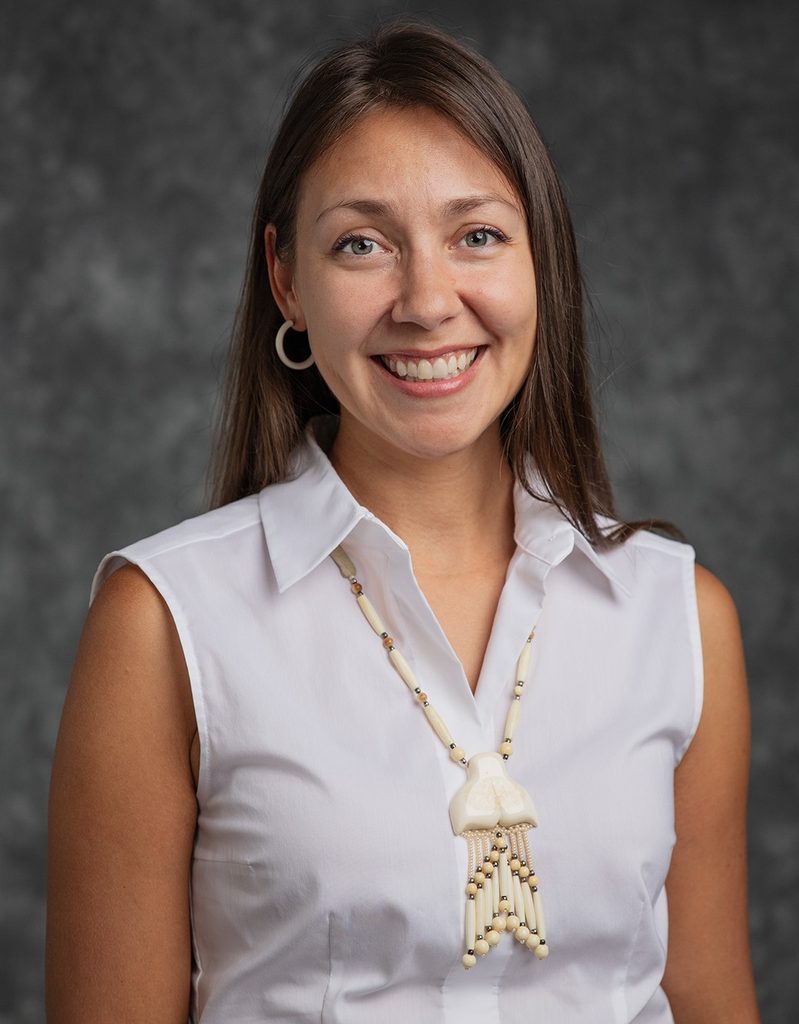
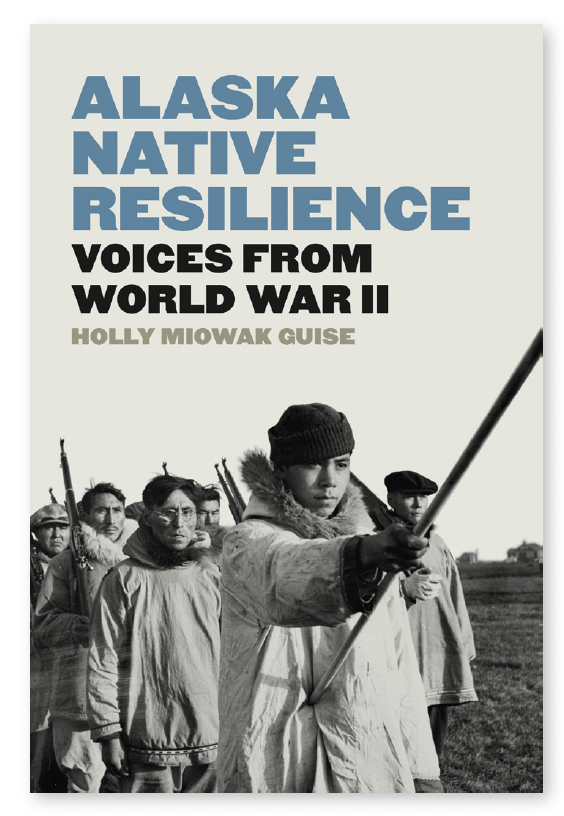
Titled “Alaska Native Resilience: Voices from World War II,” the lecture stems from Guise’s research based on oral histories shared by over 90 elders who spoke of the war’s impacts on Alaska Natives. The oral histories formed the core of her first book in 2024.
Ryan Booth, assistant professor of history, calls Guise’s work “a rich resource and one that provides an important window into an epic time in world history.
“I think her research is top-notch on a variety of levels, but especially because she has been a very community-engaged scholar,” he said. “This is important Native history, and Alaska tends to get overlooked. Her book will be quoted in 100 years because it is one of the few to actually ask Alaska Natives what their experience of World War II was like.”
From family stories to broader Alaska Native wartime experiences
Guise began interviewing Alaska Native elders in 2008 as an undergraduate student at Stanford University. Born and raised in Anchorage, she heard stories growing up from her grandparents about 1940s Alaska and assimilationist schools that punished them for speaking Iñupiat.
Her grandfather, Lowell Anagick, recalled his time serving in the guerilla platoon known as the Alaska Territorial Guard, Native men organized and commanded by Muktuk Marston who protected the western and northern coastlines.
“I wanted to link these family histories to better understand the broader experiences of Alaska Natives during the war,” Guise said.
Over 16 years of recording elders’ oral histories, Guise learned of Japan’s invasion of the Aleutian Islands, Unangax̂ (Aleut) Native relocation by the United States, Native military service, segregation—including gendered segregation aimed at prohibiting Native women from interracial dating with servicemen stationed in Alaska—and violence against Native women.
In centering Alaska’s Native peoples, a narrative emerges that shows that war very much shaped the Alaska territory, with Native peoples and communities being most impacted, she said. Deplorable living conditions, epidemics, and a lack of potable water resulted in the death of over 10% of the Unangax̂ population.
‘Equilibrium restoration’
Yet the territory’s Native peoples were not powerless. In her book, Guise describes actions taken consciously by Indigenous Alaskan women and men during World War II to disrupt and thwart colonial efforts to control them, thus restoring their tribal sovereignty. She terms this resistance “equilibrium restoration.”
One such example Guise recorded comes from Unangax̂ elder Alice Petrivelli, whose uncle, William “Bill” Dirks, kicked out a Bureau of Indian Affairs physician from the relocation camp at Killisnoo in southeast Alaska.
The doctor, H. O. K. Bauer, had an extensive history of crimes against Alaska Natives, including sexual assault, medical neglect and abuse, unethical experimentation, and attempts at control.
When Bauer refused to treat Petrivelli’s cousin, who died of a ruptured appendix, Dirks banished him. Earlier, Petrivelli and other Native children circumvented Bauer’s unauthorized curfew by playing games at the designated hour that forced the doctor to chase them.
“The agency—positive, intentional action—asserted by Alice’s uncle and the Atkan children, along with Alice’s own testimony about this history, provide evidence of larger patterns of Indigenous resistance that limited and subverted U.S. colonial projects carried out by colonial officials, like Bauer, in Alaska,” Guise wrote.
Passing the baton of cultural knowledge
Guise said she feels privileged to have connected with Alaska Native elders—to meet their families, to share lunch at senior lunch programs, and to go through their wartime photographs and scrapbooks with them.
“For me, elders served as cultural knowledge bearers and the voices of who we should listen to,” she said. “I believe that many elders wanted to share their stories with me perhaps because they wanted to help me as a Native youth and maybe because I was a student navigating the university.”
Guise said she also wonders if the elders she interviewed believed that they passed the baton of knowledge to her. As an undergraduate and graduate student, she sought to record the stories of elders from various tribes so their history could exist.
“Maybe they saw me as a Native student and a signifier of how Western education has changed with Native people, with Native students engaging in community-based research and using the resources of the university to better serve Native community histories.”