WSU Crimson Reads Authors Reveal Genesis of Their 2025 Books; Panel on March 26

Lauri Cruver Cherian and her sister were going through their parents’ estate when they found a box in the back of a closet, with a hidden treasure inside: some 200 poems written by their maternal grandmother, Myrtle.
Cherian, a 1986 WSU alumna and author living in Texas, learned from the poetry collection how her grandmother grew up in 1910 downtown Tacoma in the boarding house her parents owned and ran, the Old Alpha. Willam and Jennie always greeted each boarder by saying, “Come on in, don’t get lonesome.” Myrtle’s father played checkers with boarders and told them entertaining stories, while her mother played piano and sang in the evenings.
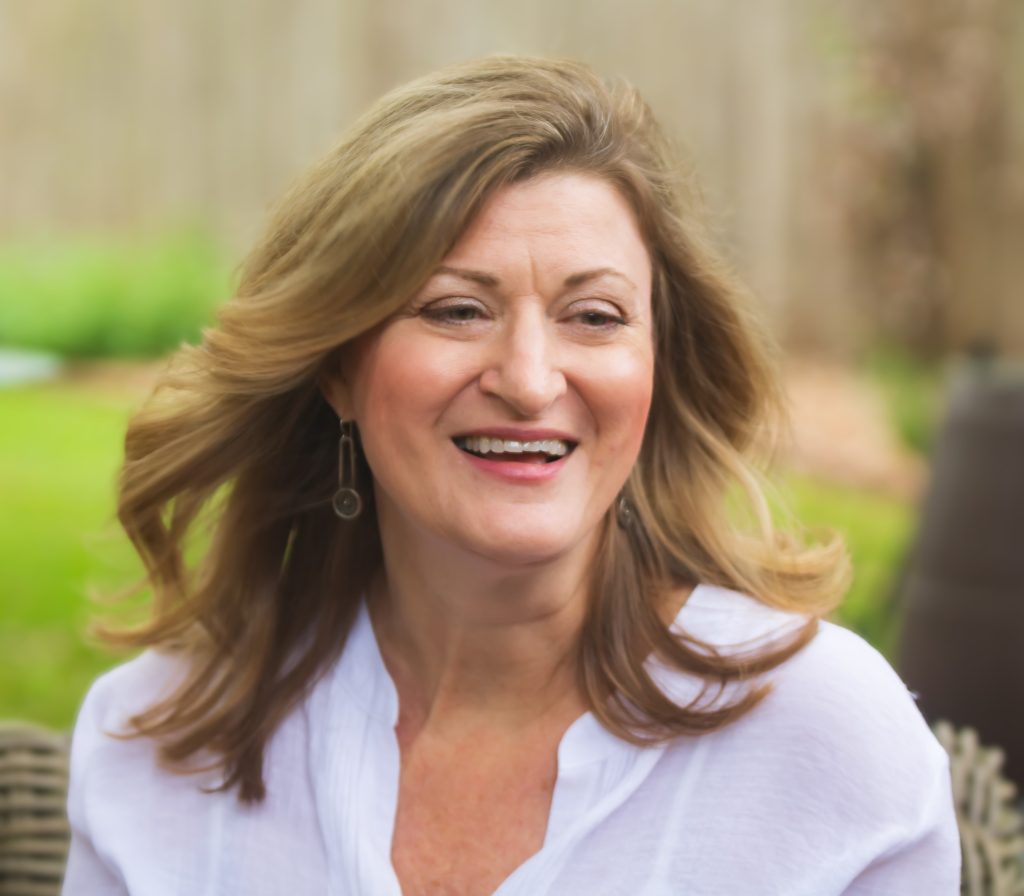
Nicknamed “Princess” by lodgers, Myrtle expressed her love for the Old Alpha, her deep sense of home, and the family’s friendship with boarders, immigrant men from Scandinavia, Germany, Britain, Croatia, Greece, Italy, and Japan who came to a boomtown with the slogan “You’ll Like Tacoma” to follow their American dream, Cherian said. They worked at the sawmills, the Northern Pacific Railroad, along the Tideflats, and in new businesses that flourished in the “City of Destiny.”
Her grandmother wrote about the activities at the Old Alpha, like pressing cider, taffy pulls, and Sunday singalongs, and the newfangled inventions that filled their world, such as the telephone and phonograph. Myrtle also highlighted Tacoma’s turn-of-the century history, with trolleys clanging through the streets, the construction of Union Station and progressive schools, and the Puget Sound Mosquito fleet ferrying passengers back and forth through the Narrows.
Cherian herself picked up the mantle of welcoming strangers from a foreign land. After graduating from WSU with a degree in bilingual education, she taught in Pasco, Washington, and then in Houston, winning District Bilingual Teacher of the Year in 1992. She continued to teach English as a second language to adults and children for the next 30 years.
“It was heartwarming to discover that my great-grandparents, William and Jennie, shared the same passion for immigrants coming to America,” Cherian said. “Knowing that they provided a safe haven, a home where they felt welcomed and cared for, makes my heart sing.”
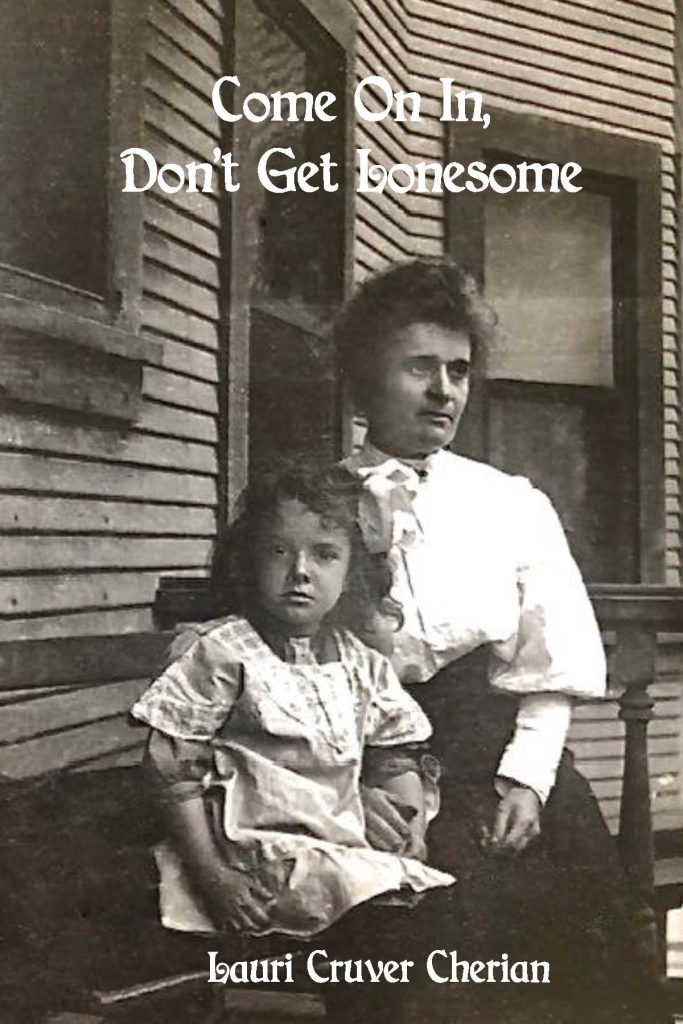
The unfolding of her grandmother’s remarkable story inspired Cherian to write a historical novel last year, Come On In, Don’t Get Lonesome, one of the 2025 books and WSU authors being recognized by WSU Libraries Thursday, March 26, during this year’s Crimson Reads.
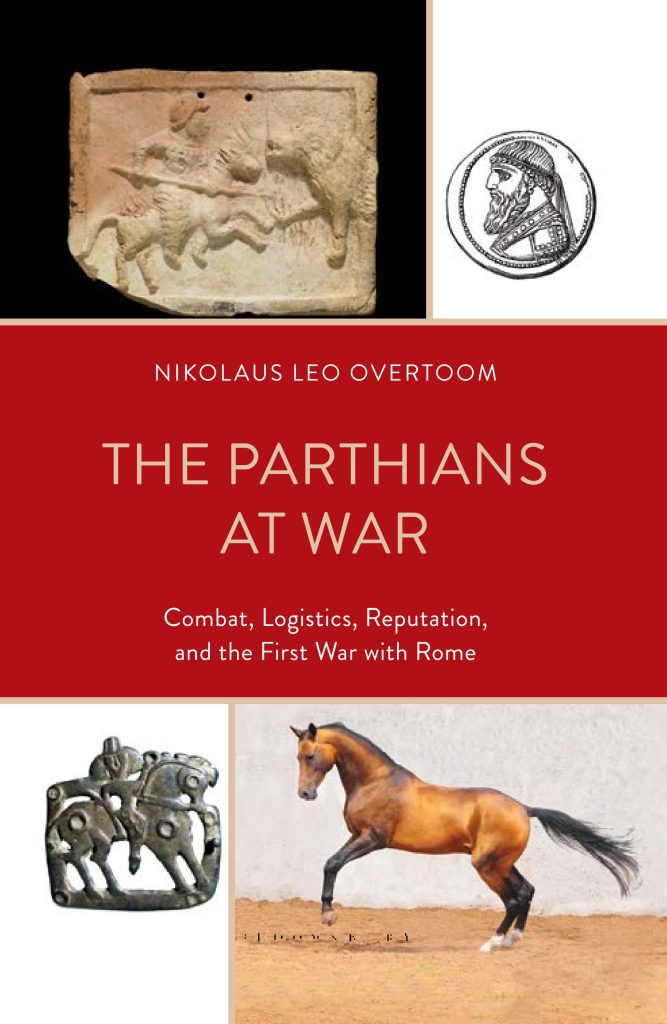
Three authors will present a panel discussion from 2-3 p.m. in Terrell Library atrium: Samantha Noll, the Ryan-Bordander Chair and an associate professor in WSU’s School of Politics, Philosophy, and Public Affairs and author of Ethical Omnivores: Better Eating for Everyone; Nikolaus Leo Overtoom, an associate professor in WSU’s Department of History and author of The Parthians at War: Combat, Logistics, Reputation, and the First War with Rome; and M. Grant Norton, dean of the WSU Honors College and author of Ten Materials That Shaped Our World. The panel will be livestreamed.
In addition, a selection of 2025 titles is on display in Terrell’s New Books section.
Part of WSU Showcase, the annual event publicly acknowledges and honors faculty, students, staff, alumni, and retired university community members who have authored, co-authored, or edited a book, including e-books, within the past year.
A little-known history of ancient skilled warriors
Overtoom said he has long been fascinated with ancient peoples. In graduate school, he largely studied the Greeks and Romans, but increasingly he became curious about a much-less-known and underappreciated neighboring people, the Parthians.

From a humble origin as a roaming warband of horsemen on the Central Asian steppe to forging a massive empire across much of West Asia and parts of Central and South Asia, which rivaled that of the Romans for centuries, the Parthians were skilled warriors and rulers, and they created a formidable cavalry-based military widely respected and feared by their Greek and Roman neighbors, Overtoom said.
The Parthians at War was the culmination of over 10 years of research and writing and the first study ever published that comprehensively considers the Parthians’ militarism. In writing the book, Overtoom sought to share with readers the amazing military accomplishments of the Parthians against their Greek and Roman rivals, while also reconsidering their reputation in Greco-Roman sources and the origin of the imperial rivalry of Parthia and Rome.
“As much as possible, I wanted to consider the Parthians on their own terms and move beyond traditional Rome-centric understandings of this great civilization,” he said. “In doing so, I learned much about the abilities of the Parthians in war, logistics, and imperialism that I am eager to share with fellow scholars, students, and the general public.”
Ethical omnivorism as a flexible contemporary food movement
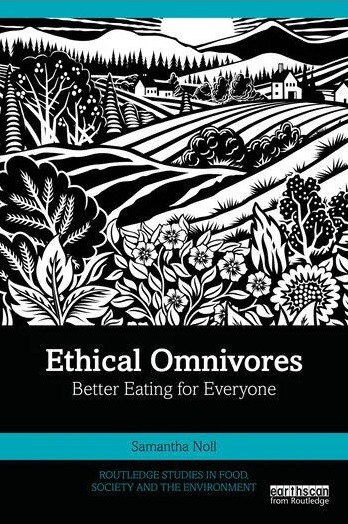
Noll said she wrote Ethical Omnivores out of frustration with how tense and polarized food conversations had become. She wanted to create space for a more thoughtful and grounded conversation about food ethics, one that invites people in rather than shaming them or pretending the moral landscape is simple.
“A central motivation for the book was the sense that we talk a great deal about what people eat, but not nearly enough about how food is produced,” Noll said. “Agriculture often fades into the background, even though farming practices shape environmental sustainability, animal welfare, labor conditions, and rural livelihoods. If we are serious about food ethics, production has to be part of the story.”
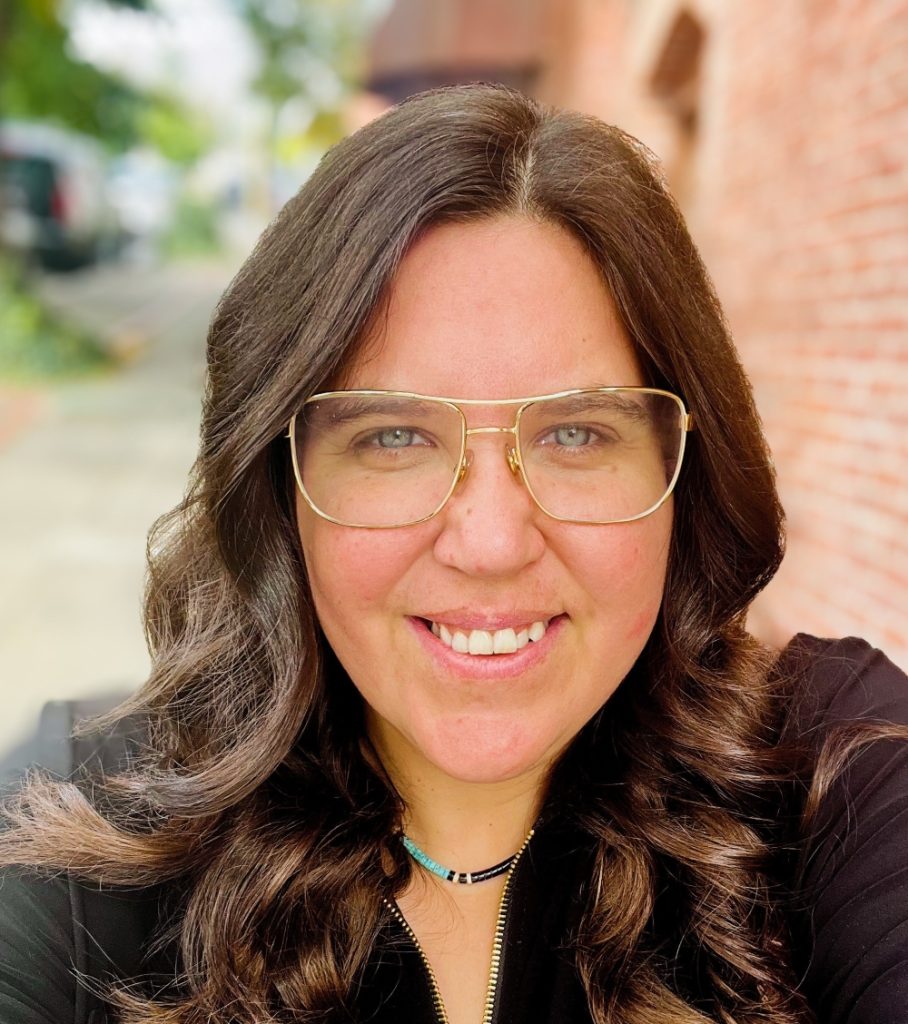
Ethical omnivorism, as Noll describes it, offers a flexible path, allowing for animal products while emphasizing local sourcing, organic production, and high standards of animal welfare. At the same time, it recognizes that our food choices are shaped by culture, geography, economics, and lived experience.
“The book presents ethical omnivorism as both a philosophical position and a contemporary food movement,” she said. “While food ethics scholarship often centers vegetarian frameworks, I explore whether omnivorism can also be a morally serious and defensible stance, connecting everyday eating practices to broader structural change.”
Writing the book deepened Noll’s appreciation for how food ties ethics to daily life, she said. “Few issues bring together environmental ethics, animal ethics, public health, and cultural identity quite so directly, three times a day. If there is one insight that stayed with me, it is that ethical eating is not about moral perfection. It is about cultivating attentiveness, humility, and solidarity within complex systems.”