WSU Press Author Scott McCorquodale to Speak April 7 at Holland Library
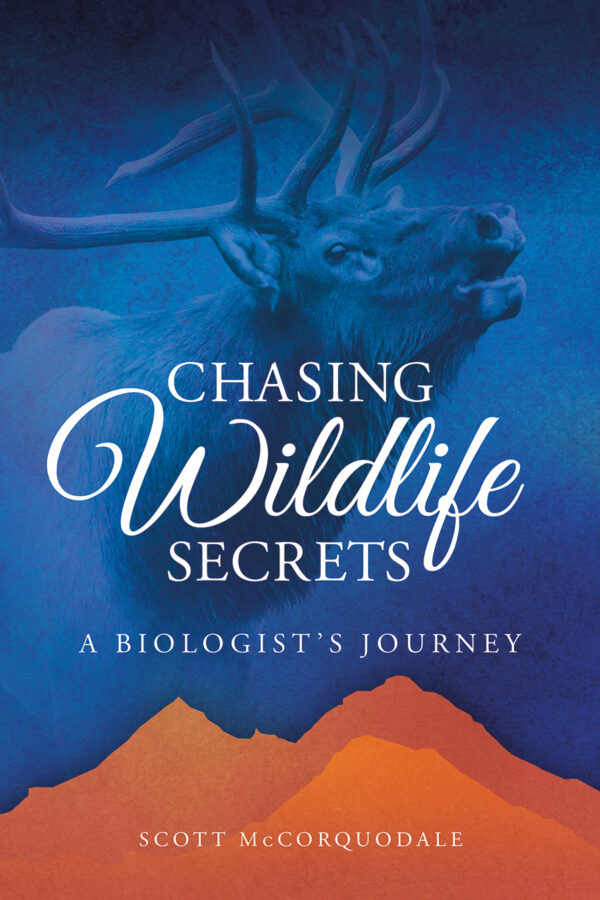
Professional wildlife biologist Scott McCorquodale, author of the WSU Press book Chasing Wildlife Secrets: A Biologist’s Journey, will speak at a reception from 2-3:30 p.m. Tuesday, April 7, in the Holland old lobby, with a Zoom link available closer to the event.
In his book, McCorquodale recounts how over a 40-year career he and his colleagues spent hours tracking animals in miserable conditions, setting countless traps, and hanging out of helicopters with a dart gun. Their efforts were transformative, exciting, and demanding. Frequent helicopter and small airplane flights also meant dangerous duty that sometimes led to tragedy. Finally, McCorquodale highlights the major efforts he led, the evolution of wildlife research, and how different the work is today.
He includes stories like “27 Elk,” describing his groundbreaking master’s degree field study of elk in eastern Washington’s treeless shrub-steppe—a study that redefined what scientists now know about this species.
In studying wild bears in Montana and Washington, the author worked closely with these amazing, intelligent, and adaptable animals, capturing them for radio-collaring, tracking them through their wanderings, even entering their winter dens.
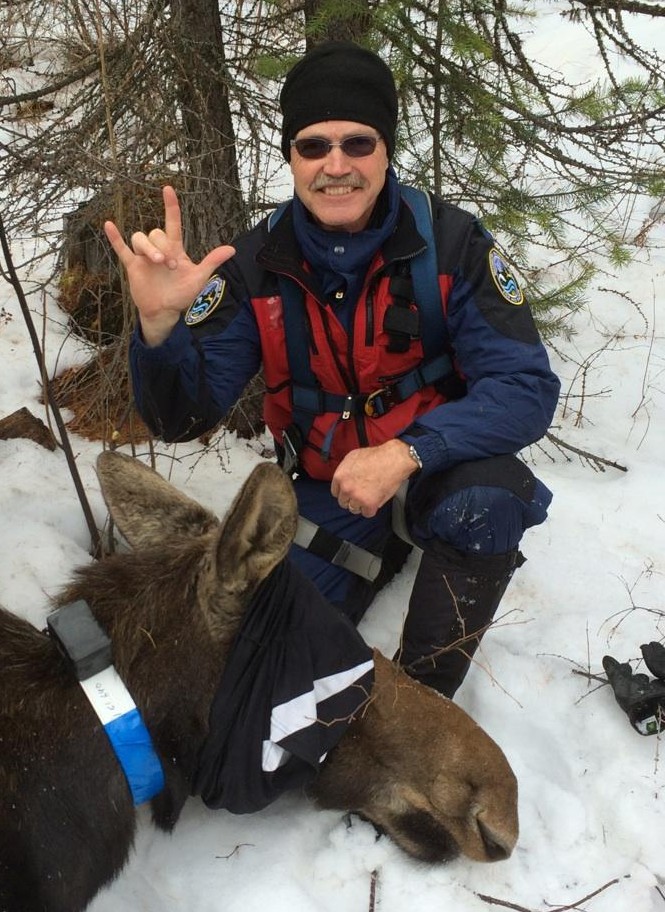
“I wrote the book to help people understand what it is like to do wildlife field research,” he said. “I’ve had many experiences with people who seemed genuinely interested in what that was like. I also found that although there have been other memoirs, none seem to tell the story of a biologist’s work in quite the same way.”
During his 40 years of research on Pacific Northwest bears, deer, elk, and moose, McCorquodale sought to understand how they live and survive in their environments and how human interventions can help to keep them healthy and thriving, said Linda Bathgate, WSU Press director.
At a time when many natural environments are being altered or destroyed, his work has been crucial to demonstrate how governments can encourage healthy populations of wild animals and help to sustain these species for generations to come, she added. McCorquodale’s stories shed light on a role that is mostly invisible to the public.
“Many of us marvel when we see wild animals in our region and beyond,” Bathgate said. “We need to understand that these animals are essential to maintaining the ecosystems in which they live. The work of wildlife biologists like Scott helps these animals to thrive in their environments.”